48V vs. 24V Magnetic Track Lighting: Which one is right for your project?
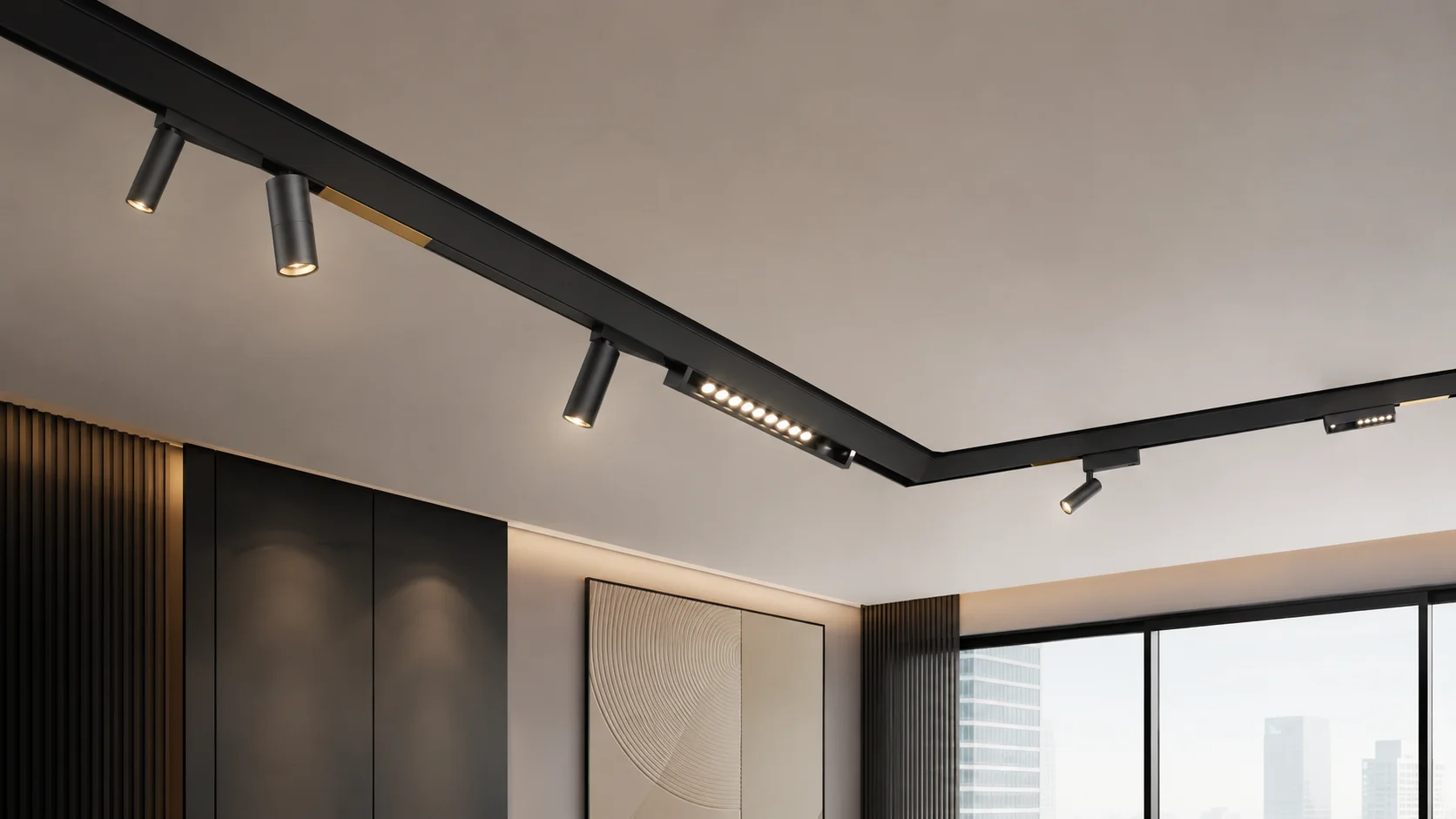
In the world of professional magnetic track lighting, voltage selection is one of the most critical technical decisions. While both 24V and 48V systems fall under the "extra-low voltage" category, the performance differences in large-scale projects are significant.
1. The Efficiency of 48V Systems
Most high-end magnetic track systems (including MAGNETRACK) have standardized on DC 48V. The primary reason is efficiency. Higher voltage means lower current for the same power output (P = V x I).
- Reduced Voltage Drop: 48V allows for longer track runs without visible dimming at the end of the line.
- Thinner Wiring: Since the current is lower, you can use standard wiring over longer distances without overheating.
- More Fixtures: You can typically load more LED modules onto a single 48V driver compared to 24V.
2. Why 24V Still Exists
24V systems are common in shorter LED strip applications. In magnetic tracks, they are often found in entry-level residential kits. However, they struggle with "voltage drop" if the track exceeds 5-7 meters.
3. Side-by-Side Comparison
| Feature | 24V System | 48V System (Pro) |
|---|---|---|
| Max Track Length | Short (3-5m) | Long (Up to 20m+) |
| Voltage Drop | Significant | Minimal |
| Safety | Touch Safe | Touch Safe |
| Market Standard | Residential / DIY | Architectural / Commercial |
Conclusion for Professionals
For architects and contractors working on villas, hotels, or premium retail spaces, 48V is the industry standard. It provides the stability and scalability required for modern luxury lighting designs.